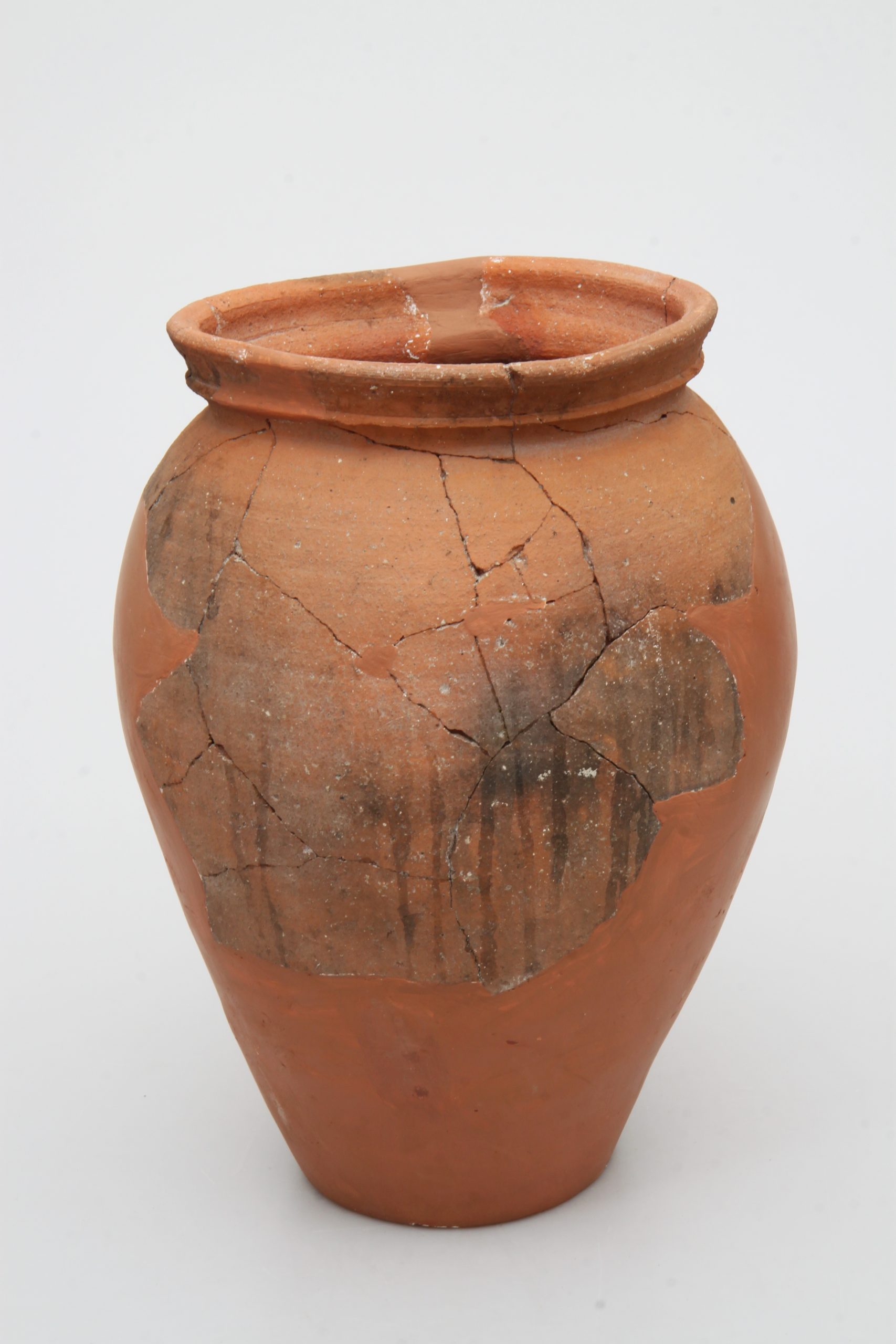
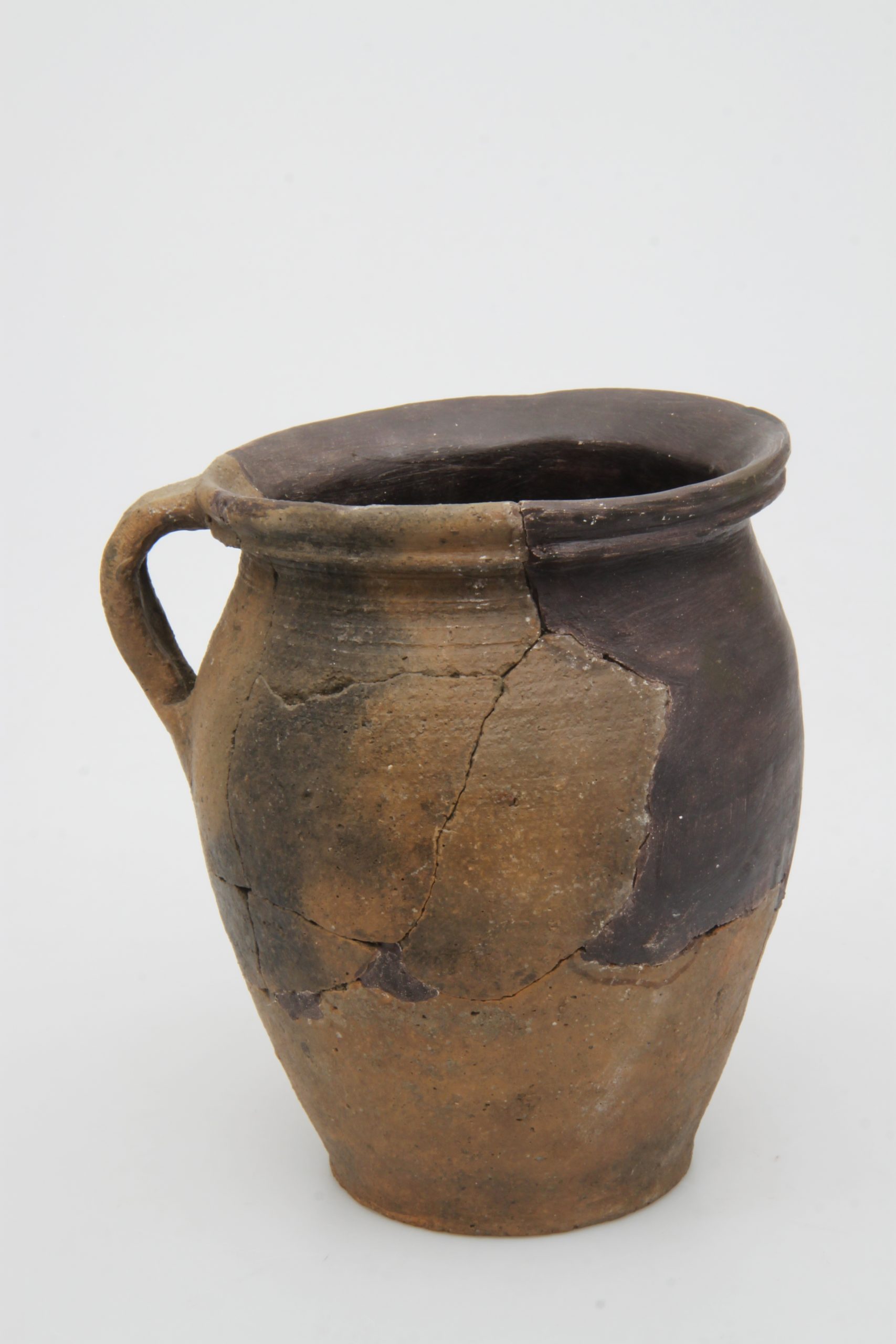
From 1974 to 1975, the Považie Museum carried out archaeological excavations in the castle, led by Ondrej Šedo. The research yielded rich finds from the 14th to 17th centuries. This provided a picture of the situation to the north-east of the main tower, in the courtyard under the southern wall of the main tower and in the courtyard in front of the Gothic gate.
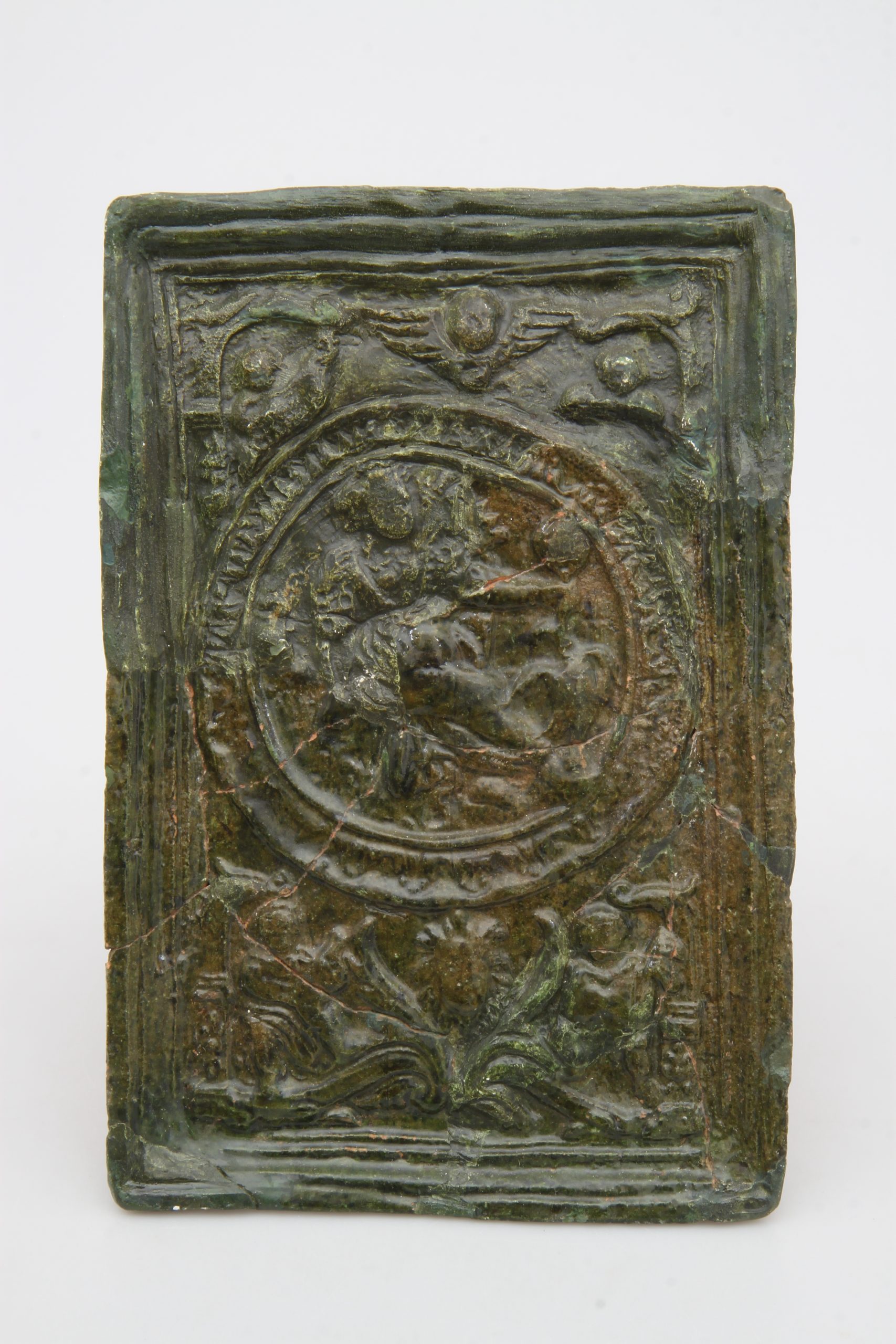
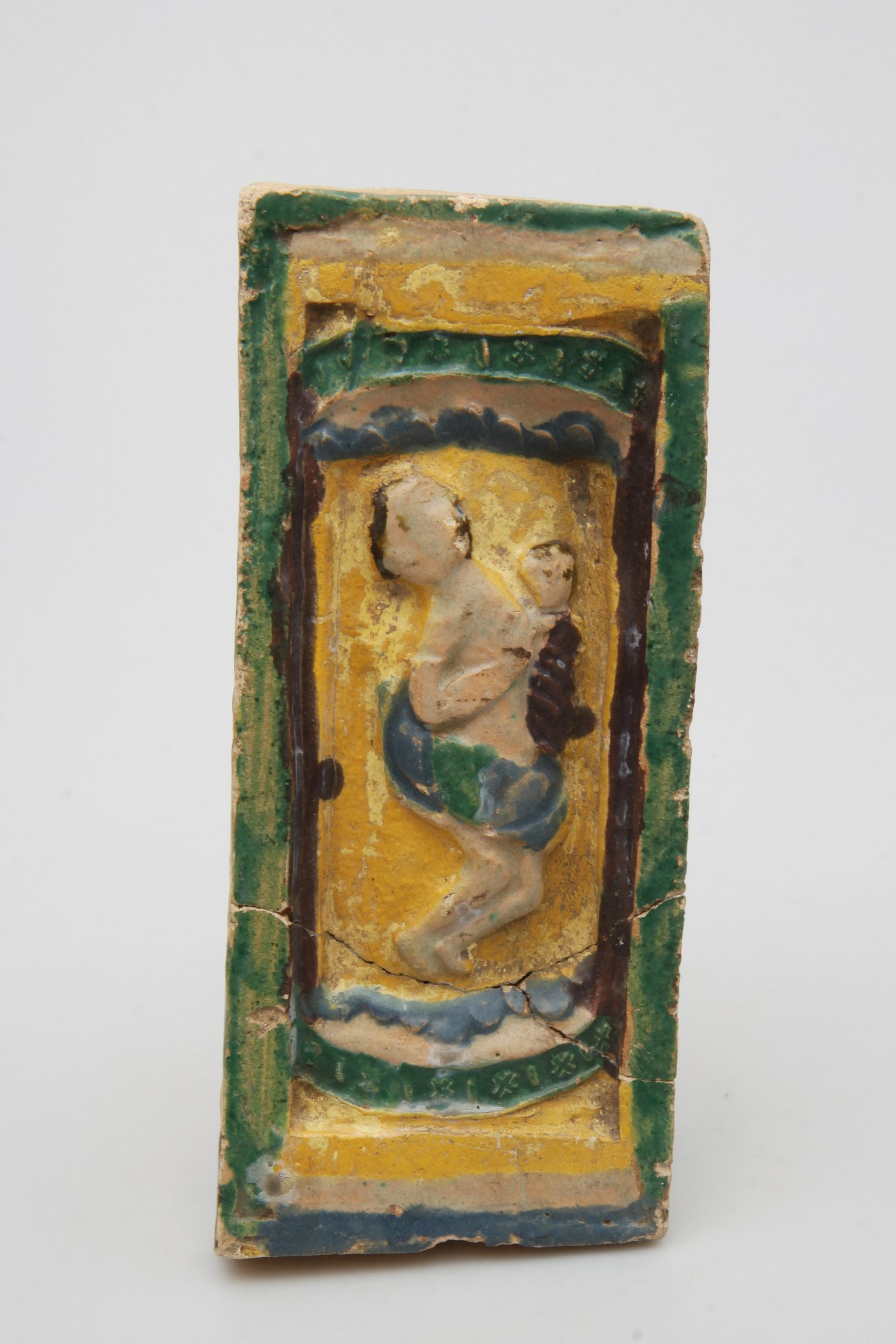
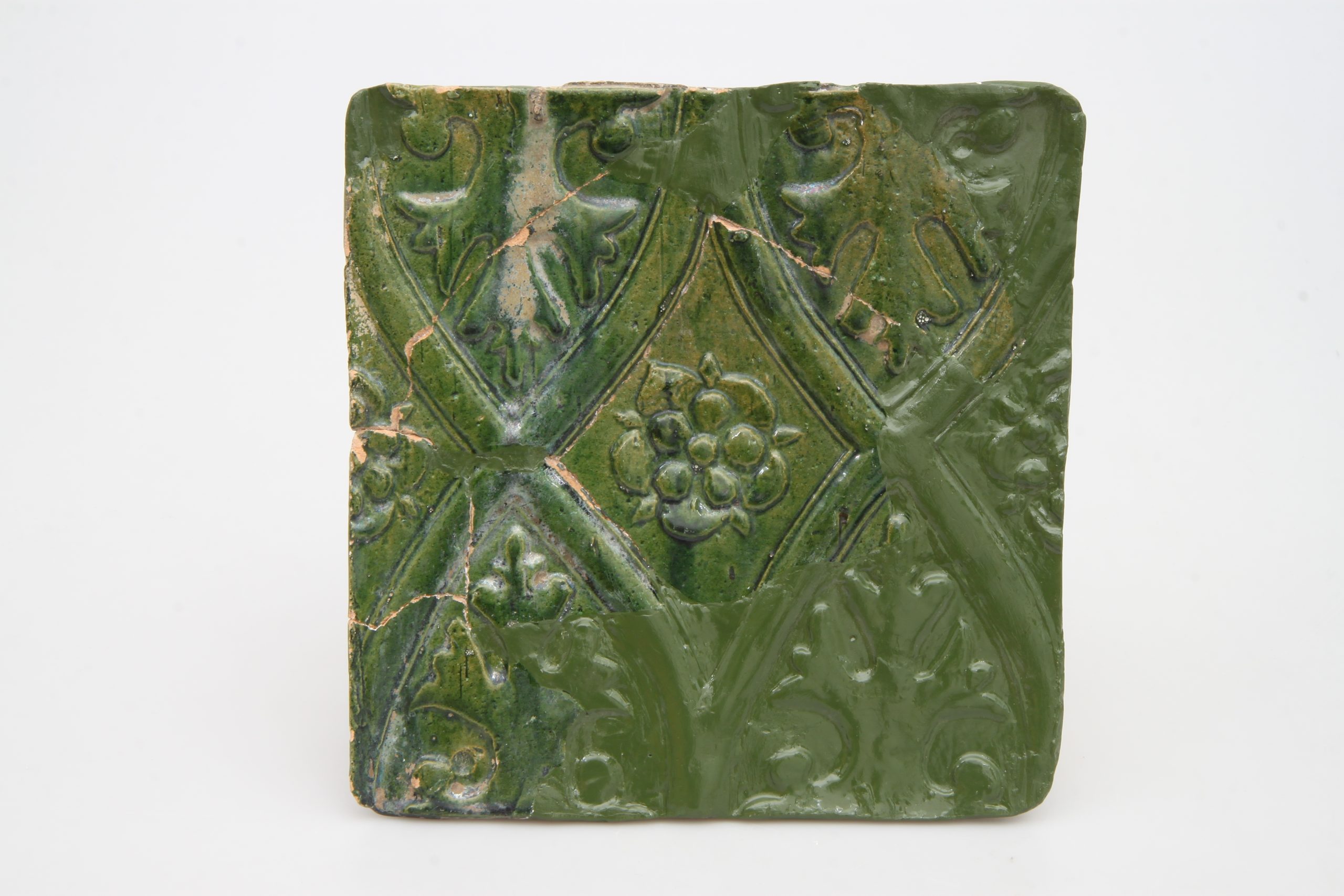
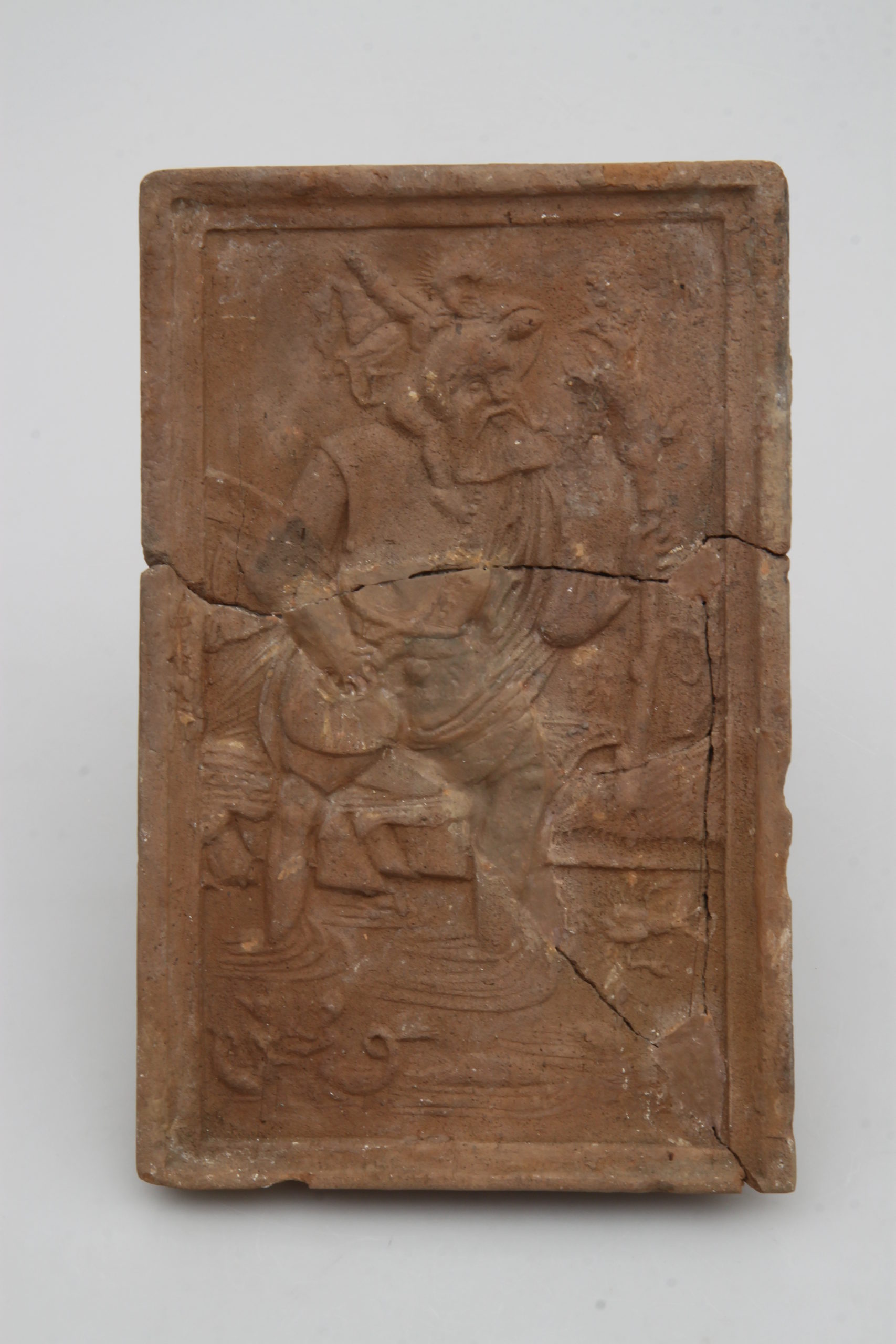
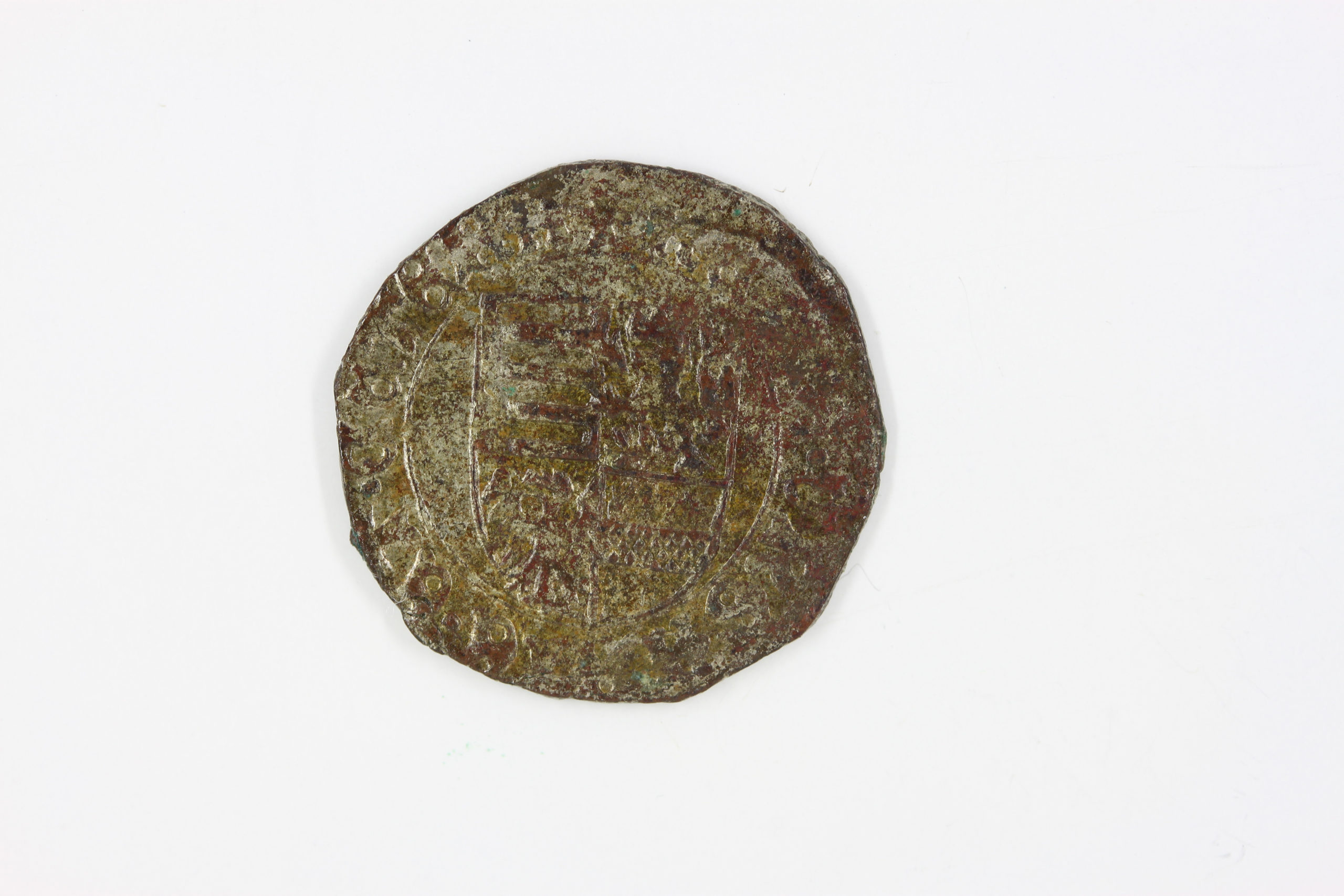
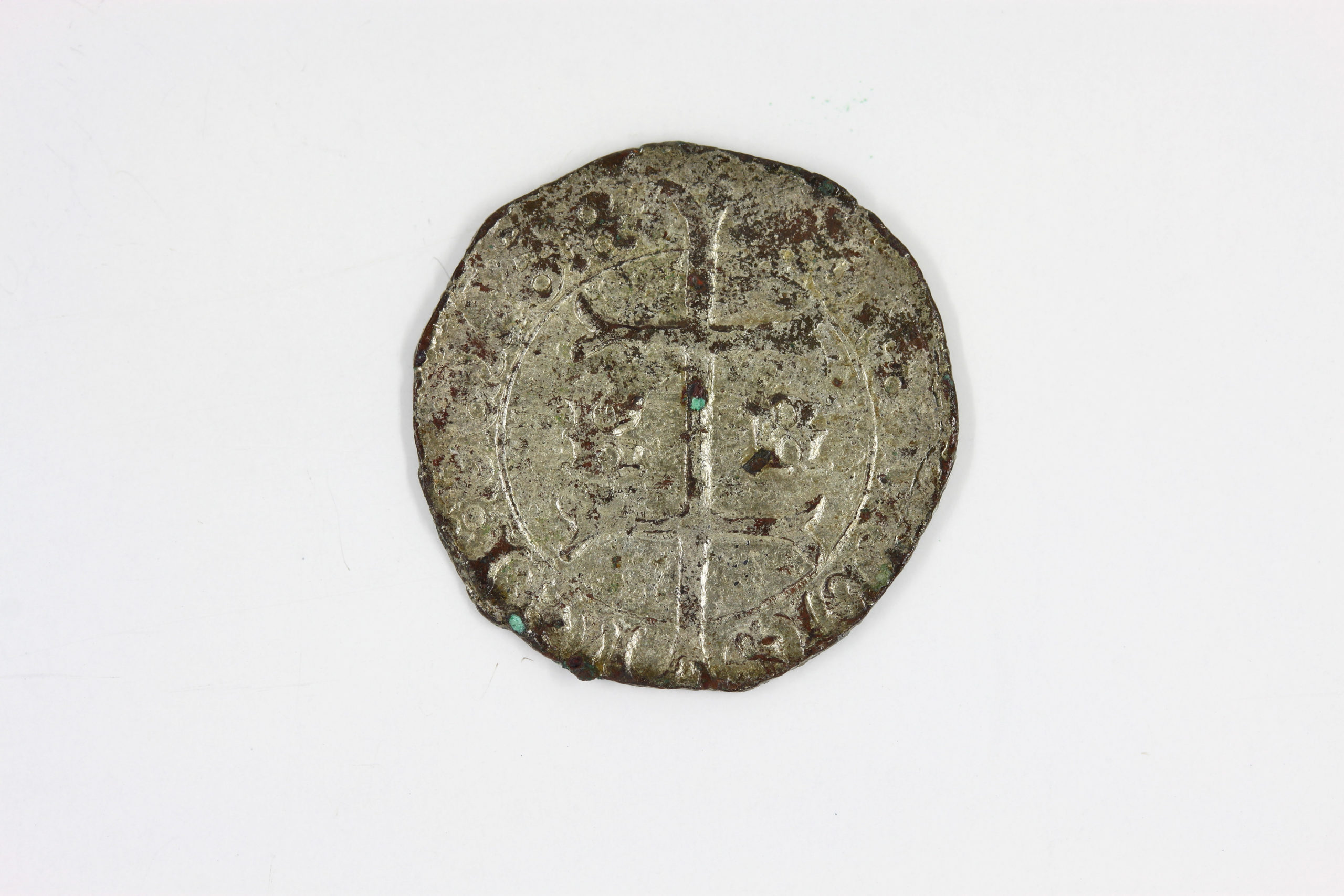
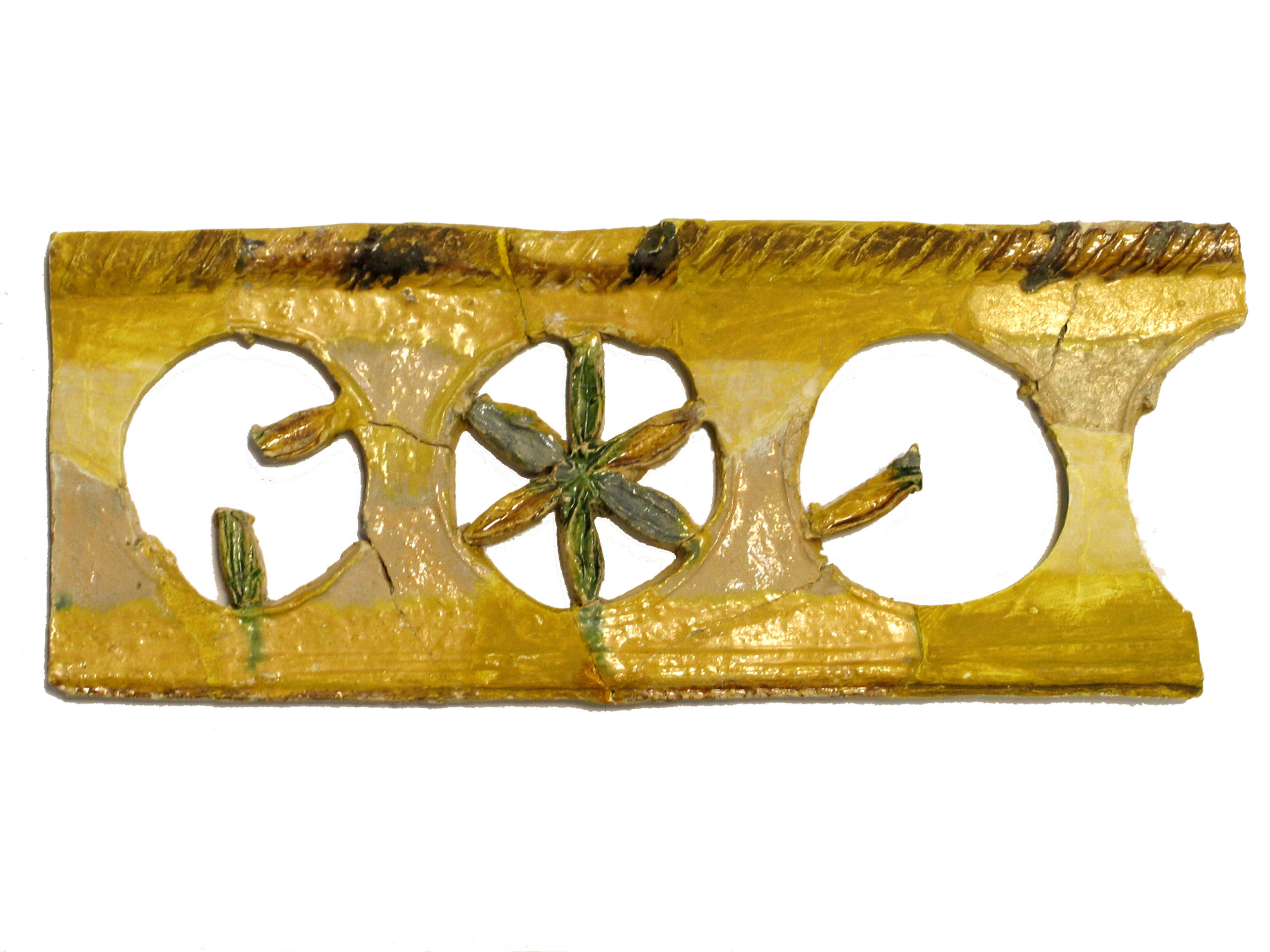
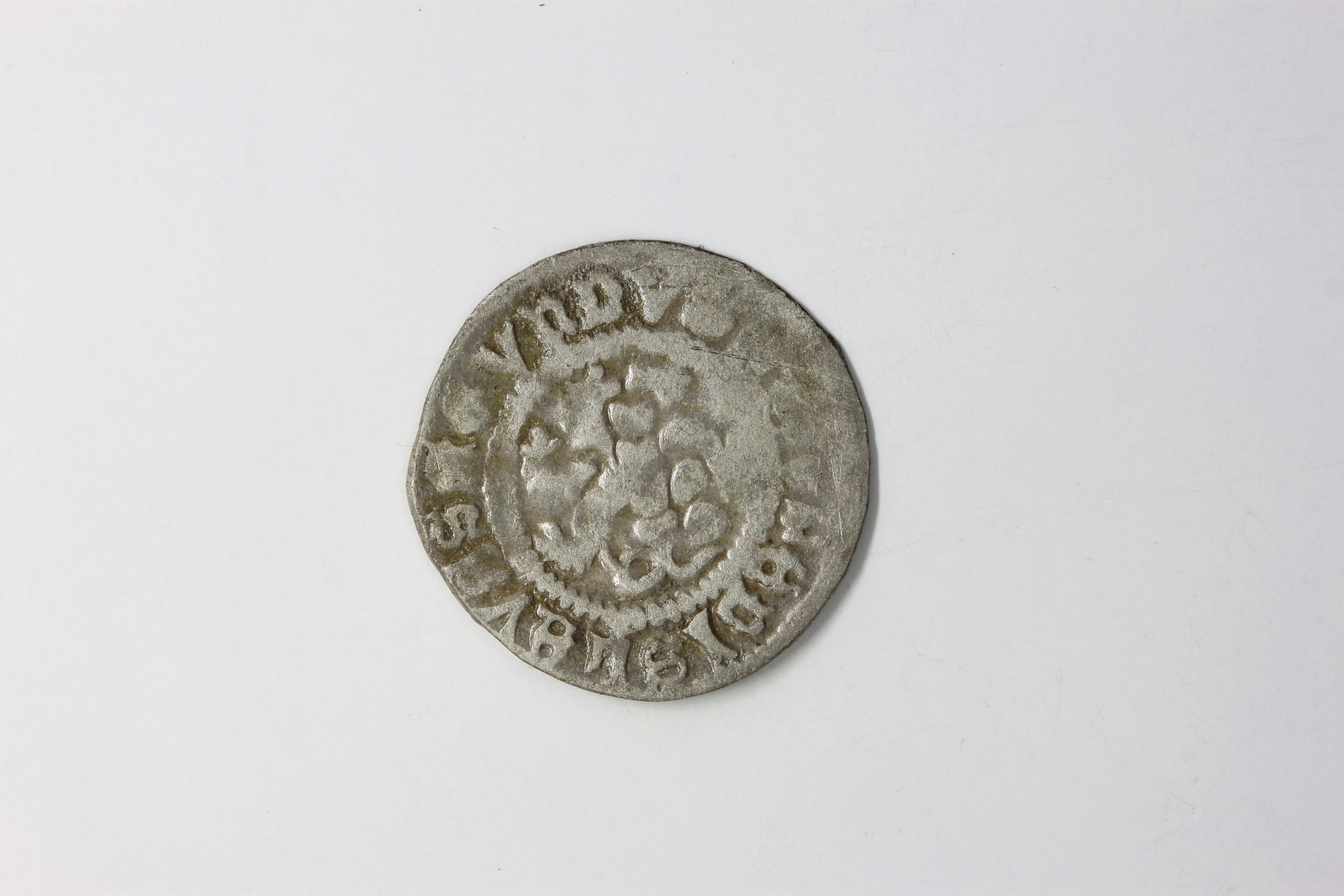
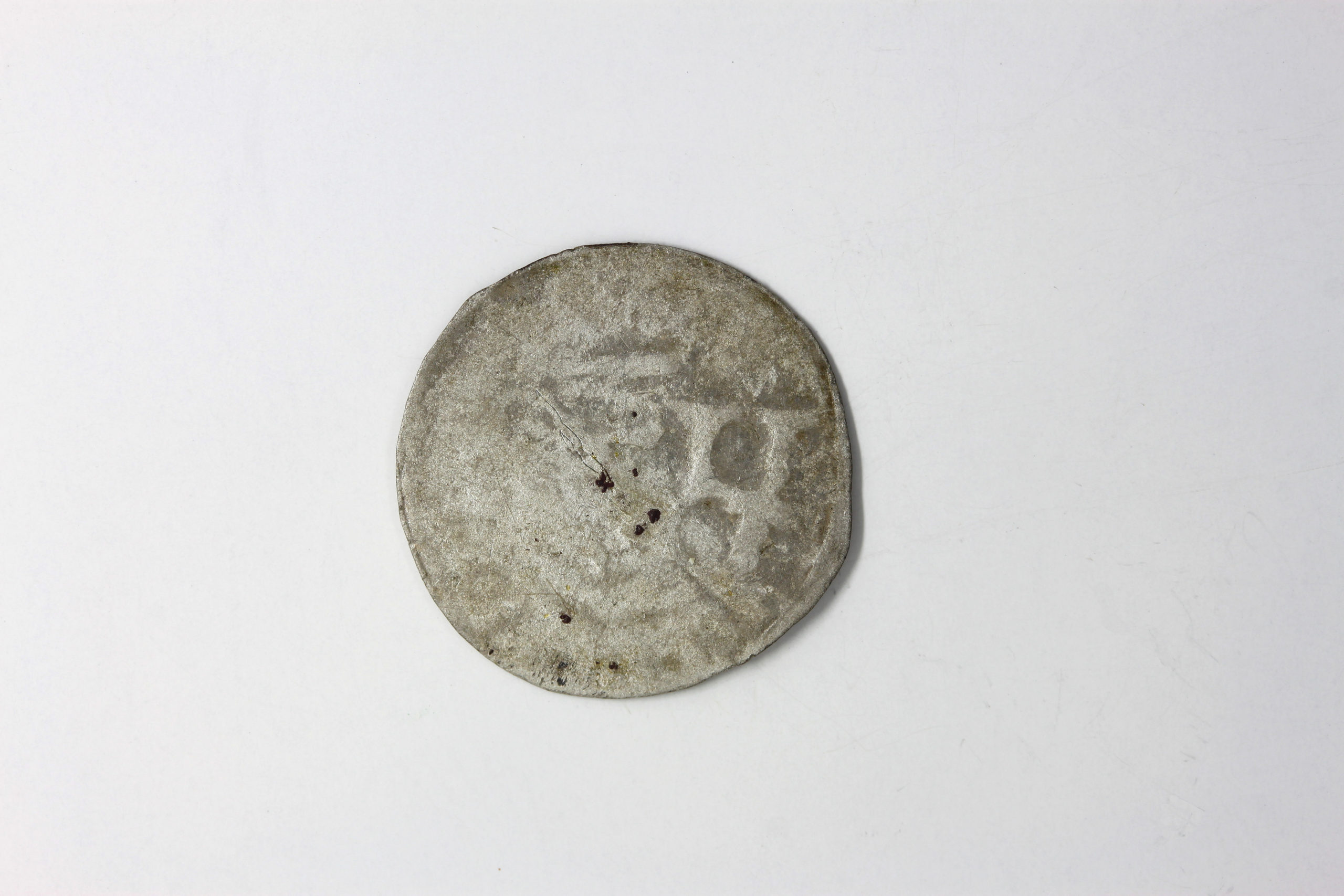
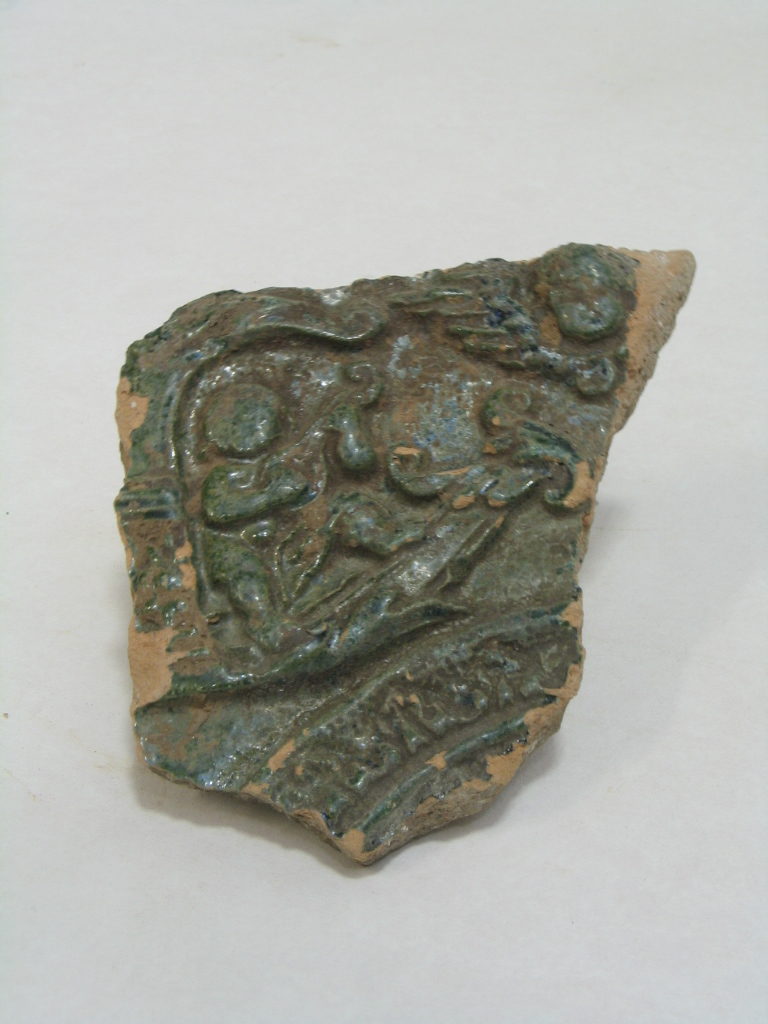
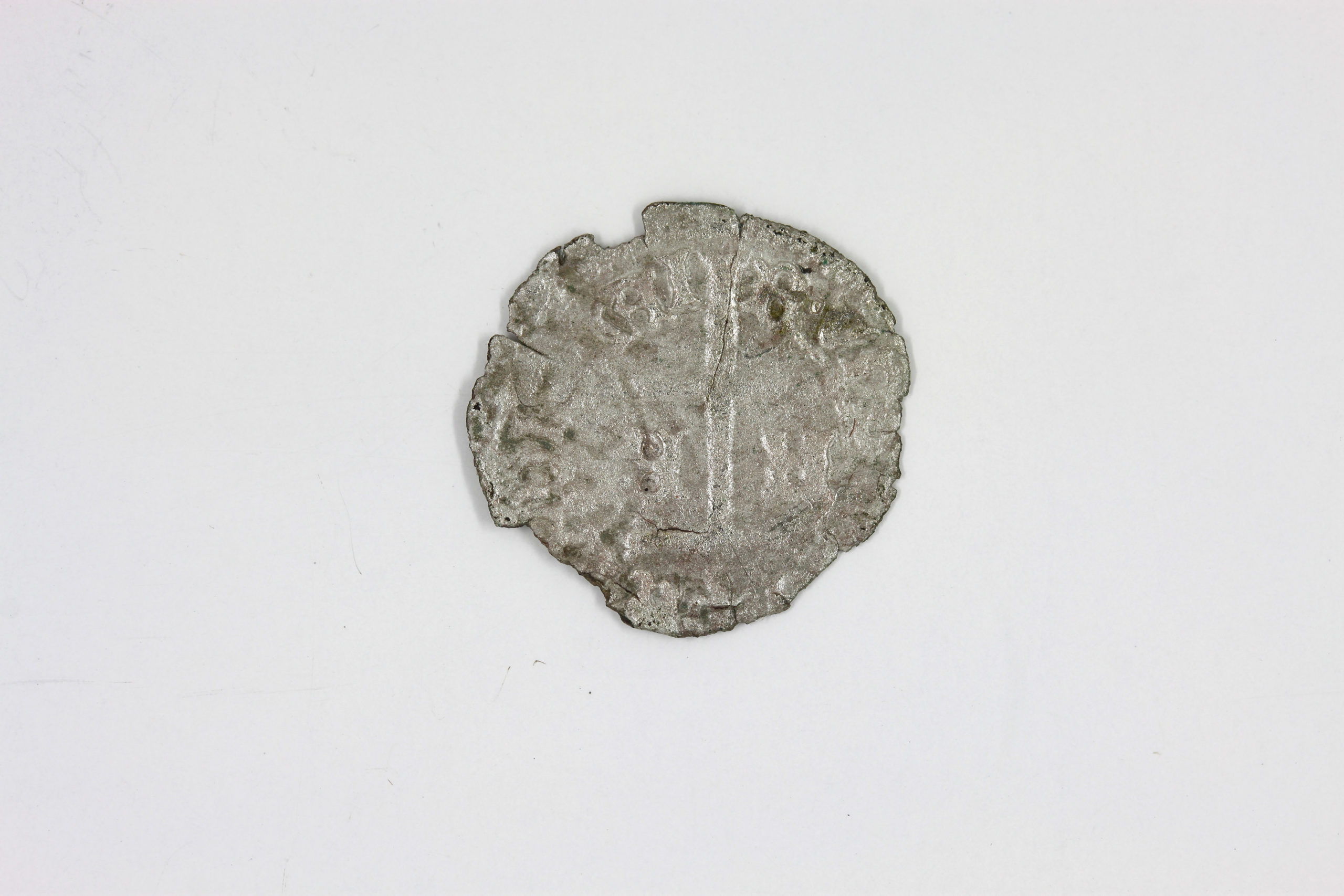
The most numerous finds were tiles and their fragments. They were discovered in the infills of individual buildings and around the whole of the castle grounds. Vegetal motifs are the dominant ornamentations, but there are also zoomorphic, anthropomorphic, architectural and other decorations. The pottery finds include pots, jugs, lids, bowls and three-legged pans. The discovery of a shard from the edge of a Loštice cup is of interest. This specially produced pottery with a rough surface is characteristic of the Moravian site of Loštice. It was imported into Hungary mainly during the 15th century. The significant finds also include sixteen silver and copper coins discovered in several locations in the castle grounds. Individual coinages belonged to the following rulers: Sigismund of Luxembourg, Ladislaus the Posthumous, Ferdinand I, Vladislaus II, Louis I of Hungary and Poland.
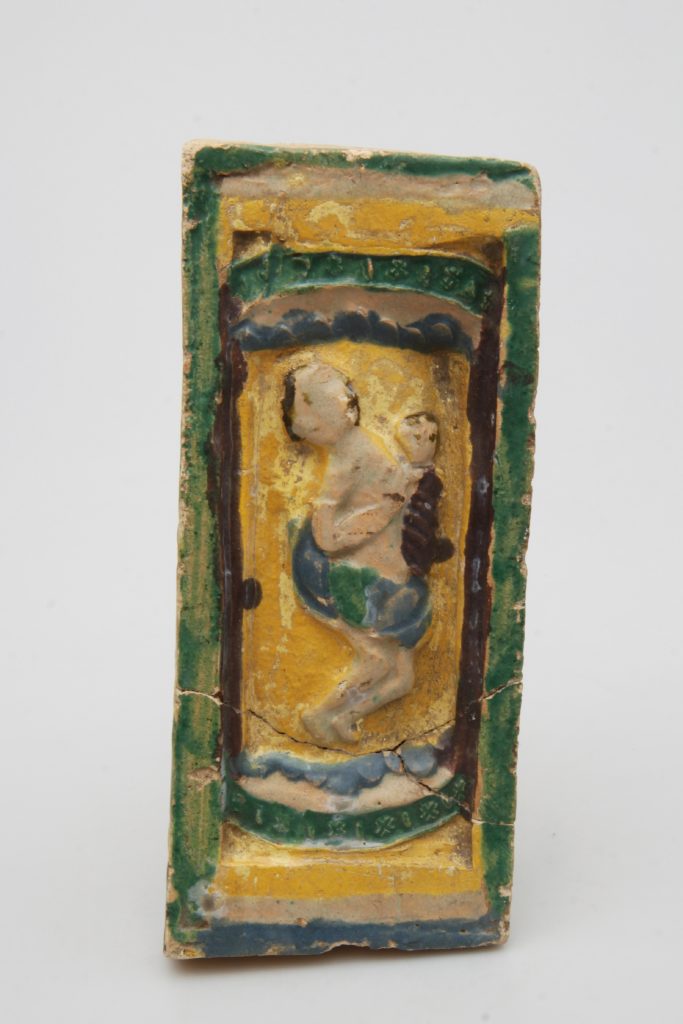
Chamber stove tile, motif of the Pietà – Mother with baby Jesus, 15th-16th century
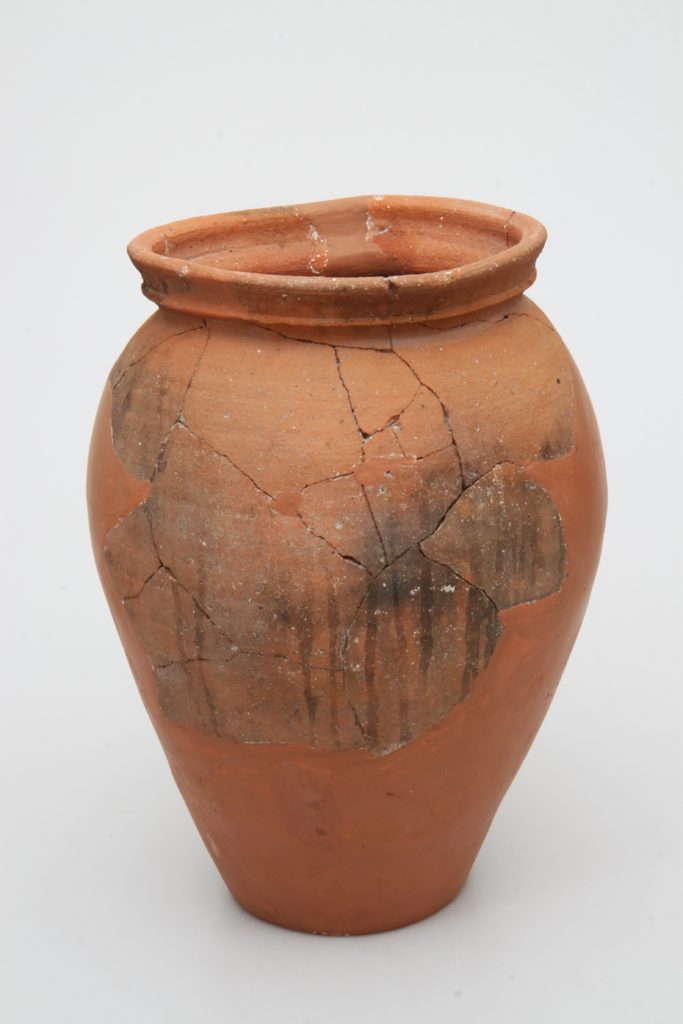
Pottery pot, Strečno castle, 16th century
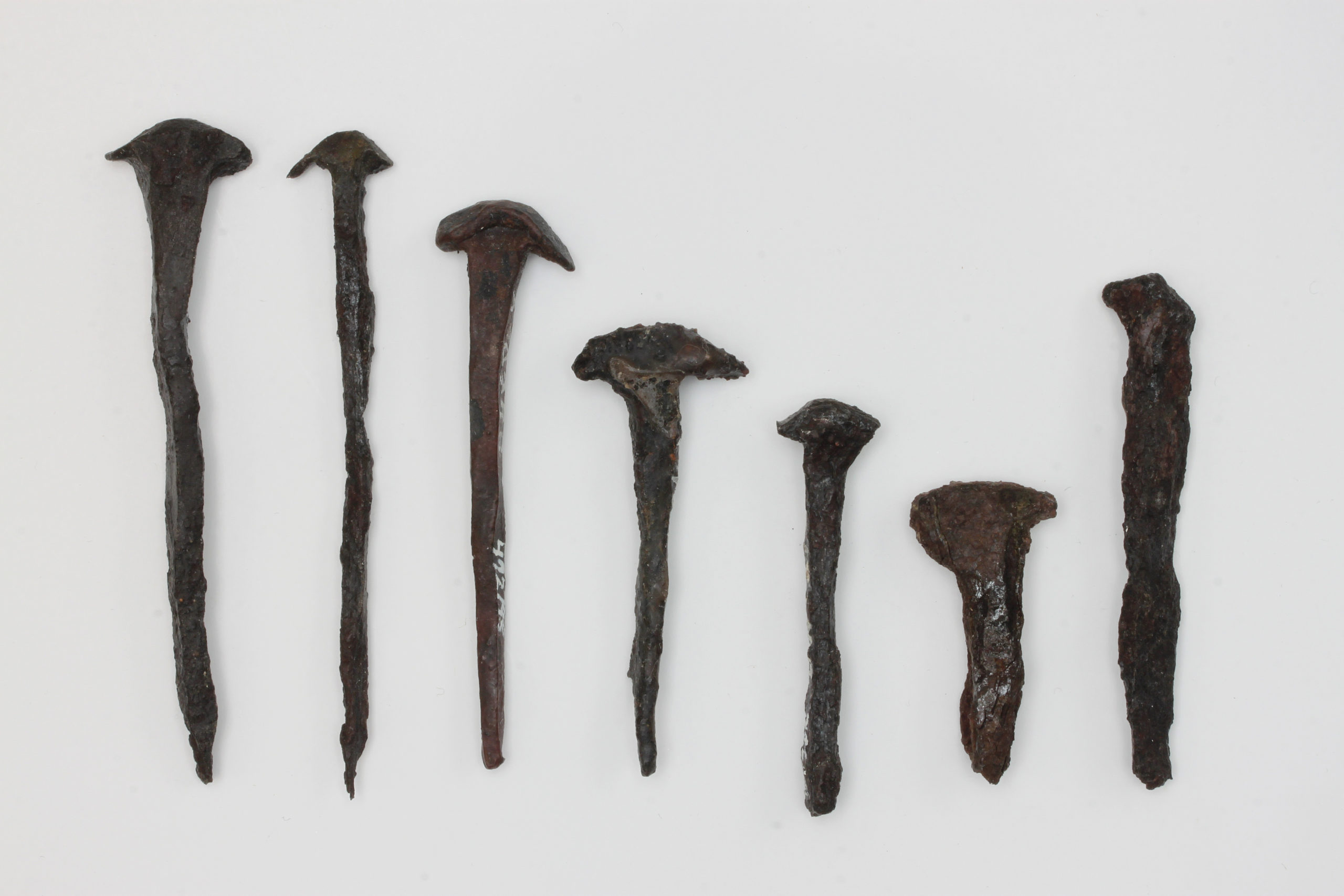
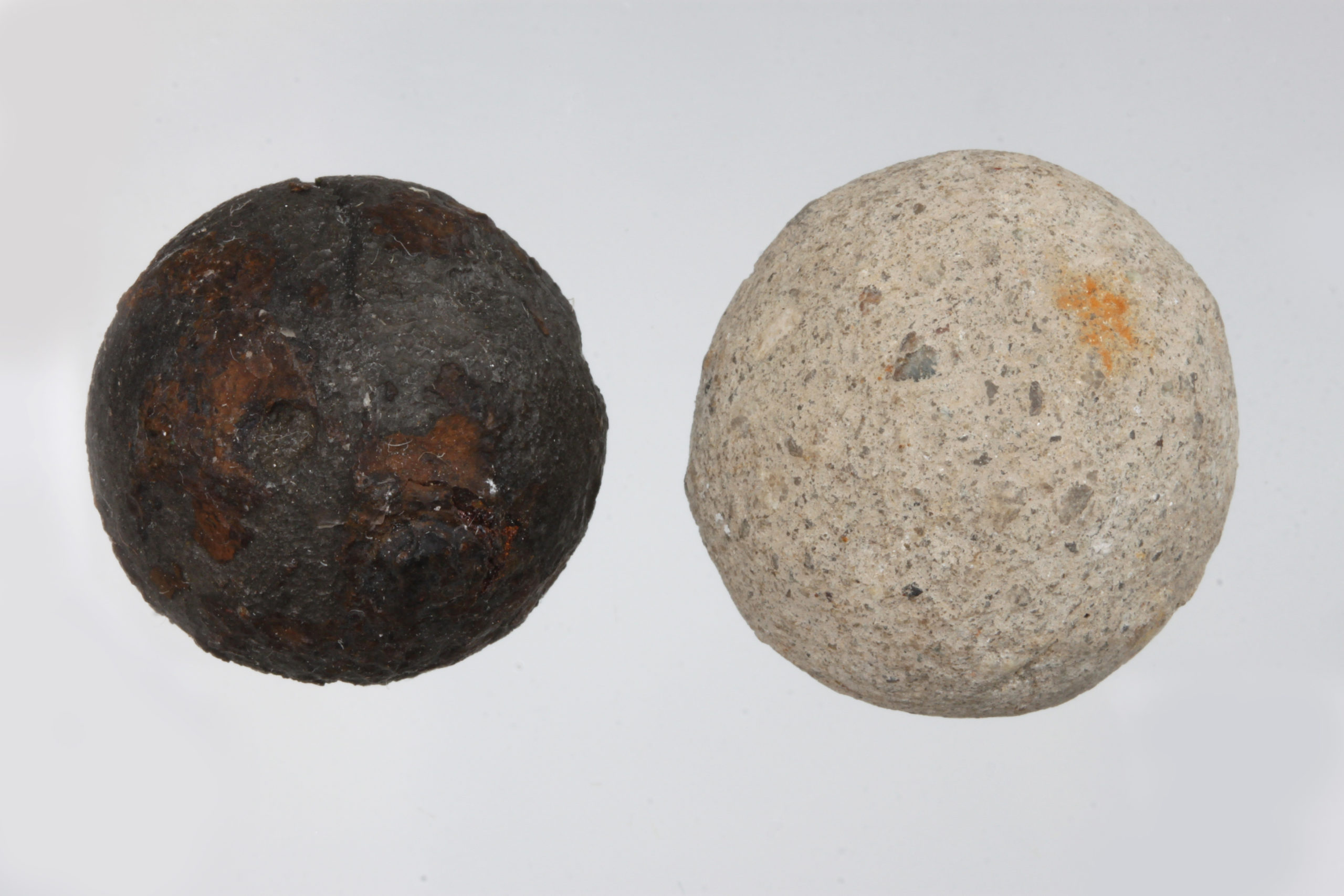
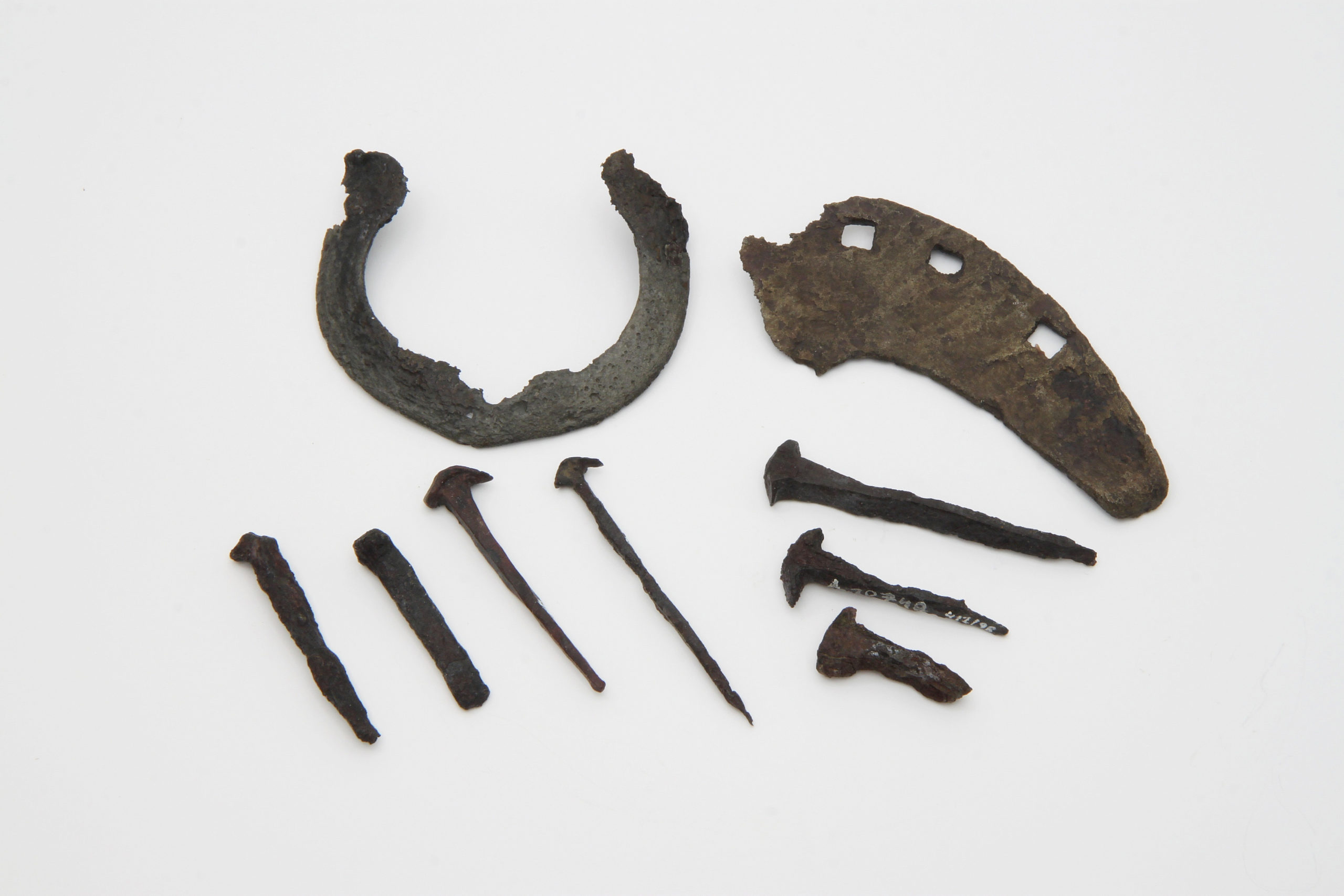
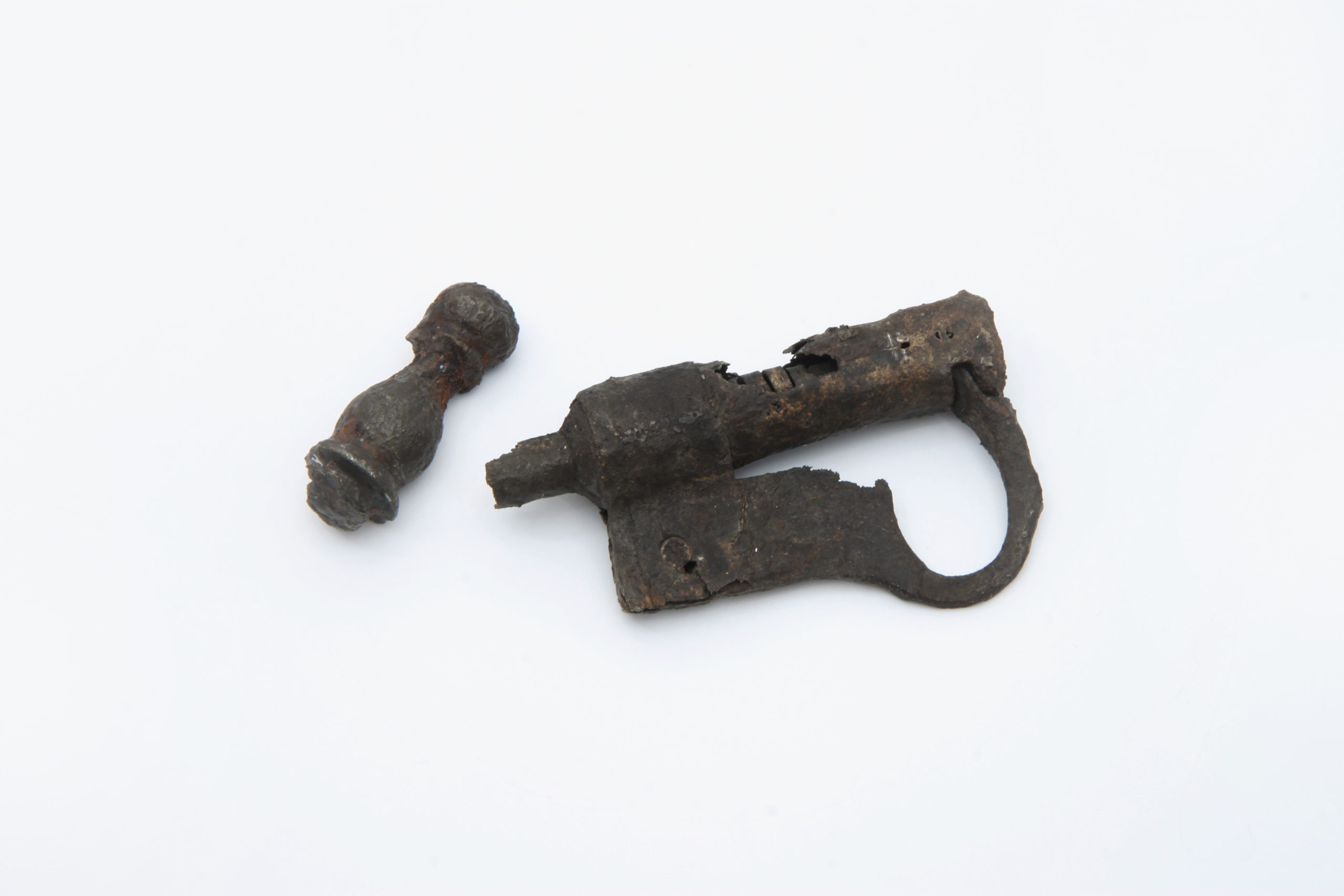
Tools found include two pieces of quern-stone for milling flour, and an iron punch. Weapons and equipment that have survived include a stone cannon ball, iron crossbow projectiles and a fragment of an iron horseshoe. Toiletries were also found as well as parts of cutlery from the castle kitchen, glass vessels and other items.
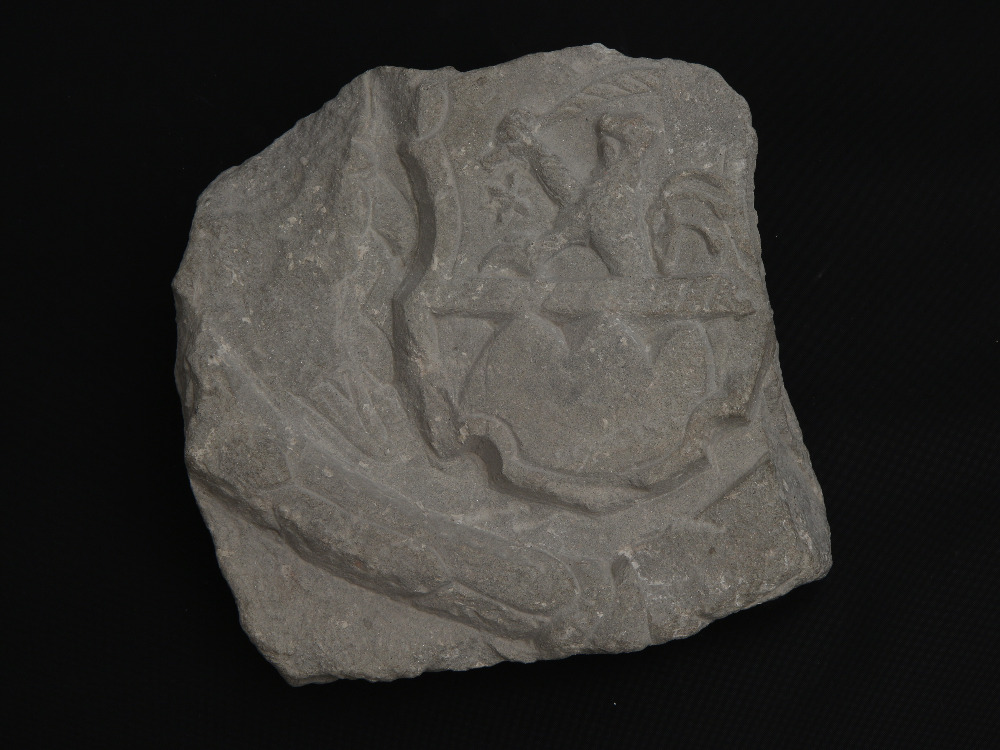
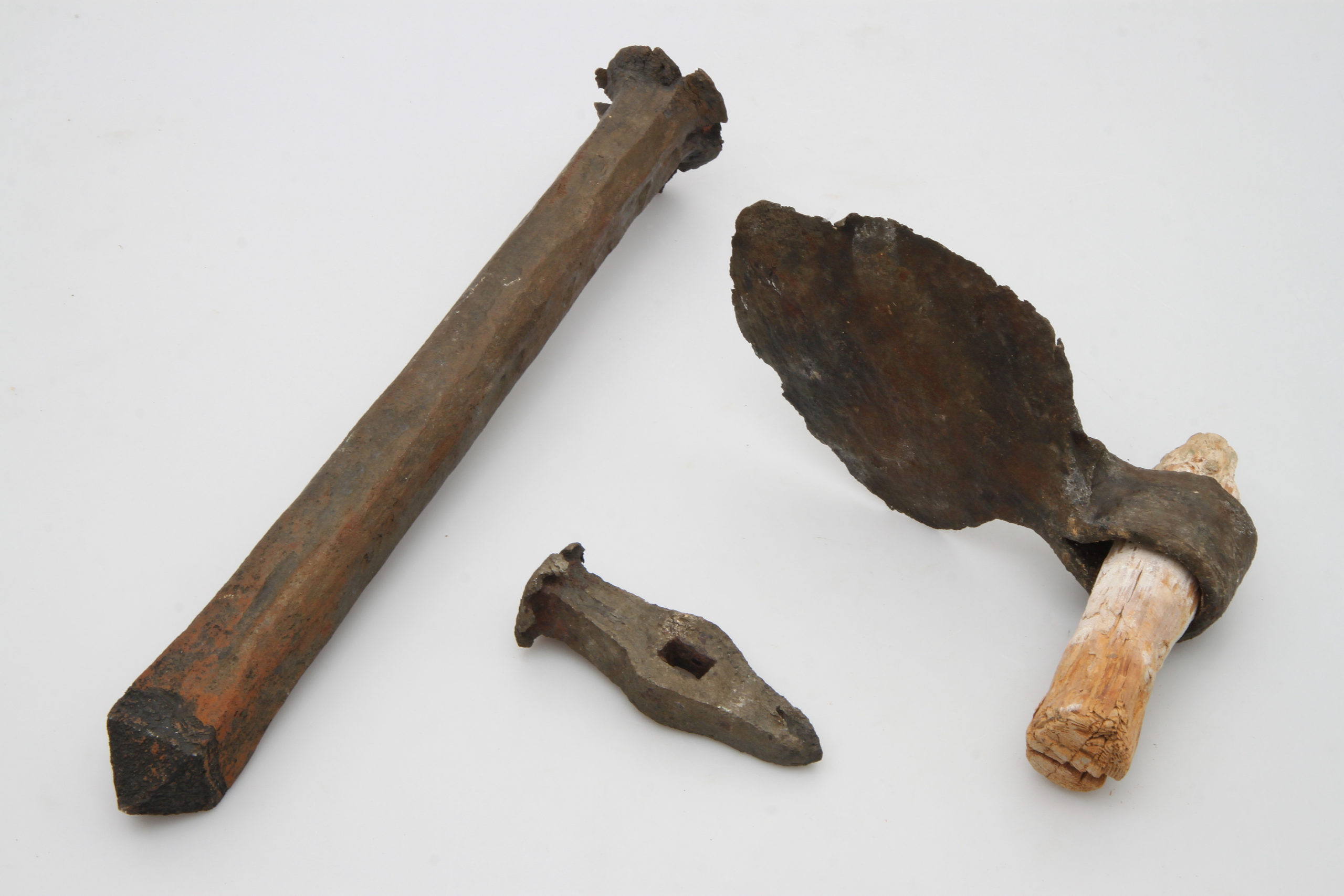
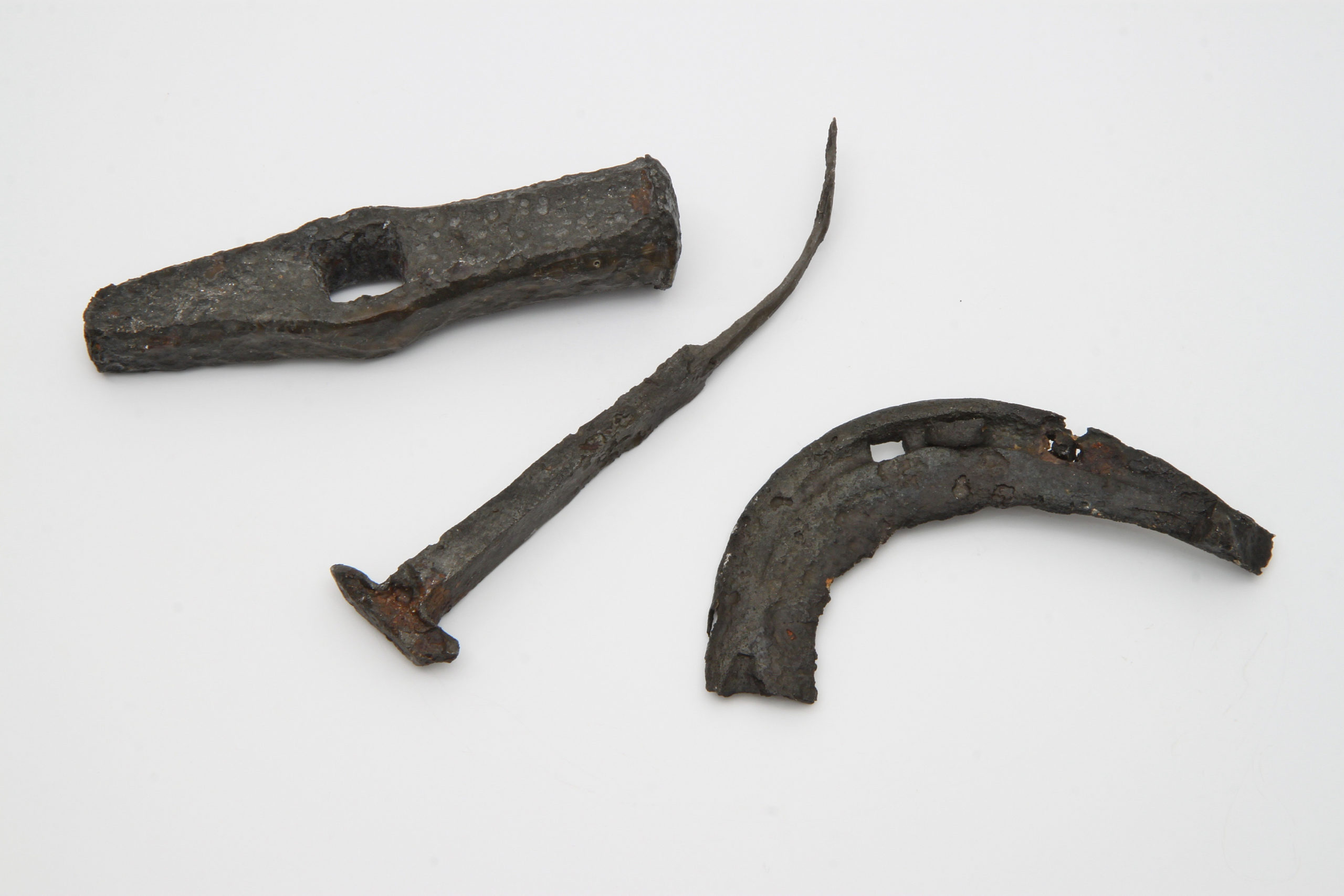
A large set of finds comes from the castle well which was hewn out of the limestone rock in the courtyard between the main gate and the northern tower. Work to clean out the well took place in 1974. After an interruption, it continued again from July 1988 until May 1992. Gradually, fragments of stove tiles, vessels, numerous animal bones, parts of the ribs of the chapel vault and much stone and mortar from the destroyed castle walls were found. At a depth of 50 metres, stones appeared from a portal with striking ornamentation – astragal and oak leaves – followed by a piece of a tombstone with a flower and part of a text in Latin. At a depth of 80 to 82 metres, there appeared a broken portal bearing the name of Ferenc Wesselényi. The inscription was probably placed above the main entrance to the castle. Another significant find was that of part of a tombstone bearing the coat of arms of the palatine’s first wife, Zsófia Bosnyák. A fragment of a tombstone bearing the name of his second wife, Mária Széchy, was also discovered. In the last metres of the infill, cylindrical stone columns were found, which might have been part of the original altar. Pieces of metal, fragments of glass from window panes, a wooden bucket and parts of a wooden container used for transporting hewn rock were also found here. The discovery of working tools used to dig the well is unique: a large iron wedge block, an iron hoe including part of the handle, and a small iron hammer.
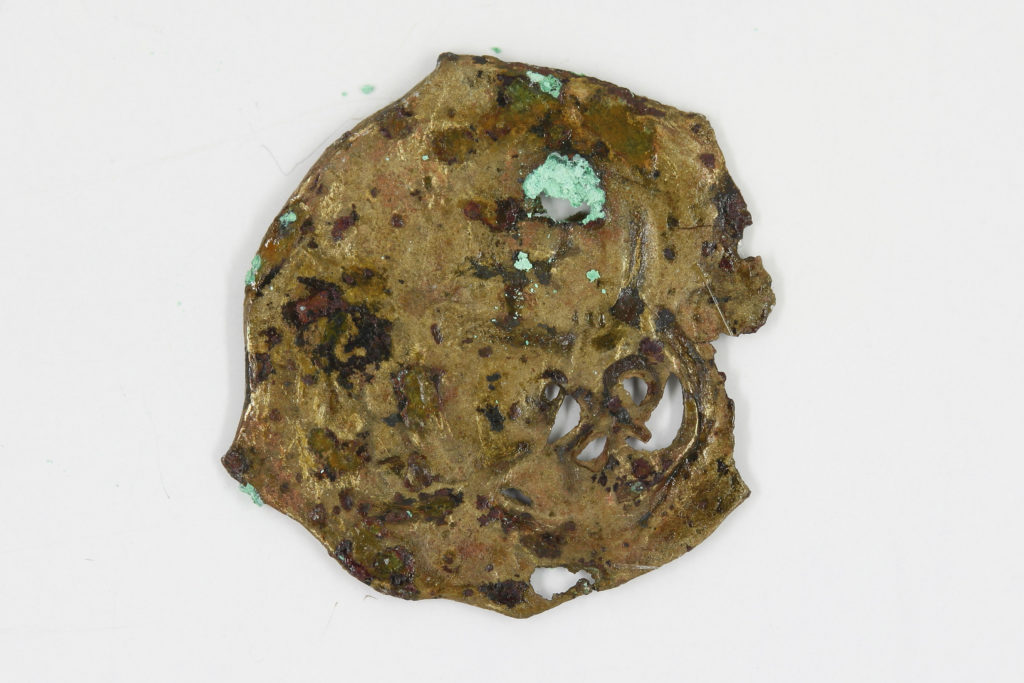
Kingdom of Hungary, Albert (1437 – 1439),
Saurma pfennig, 640
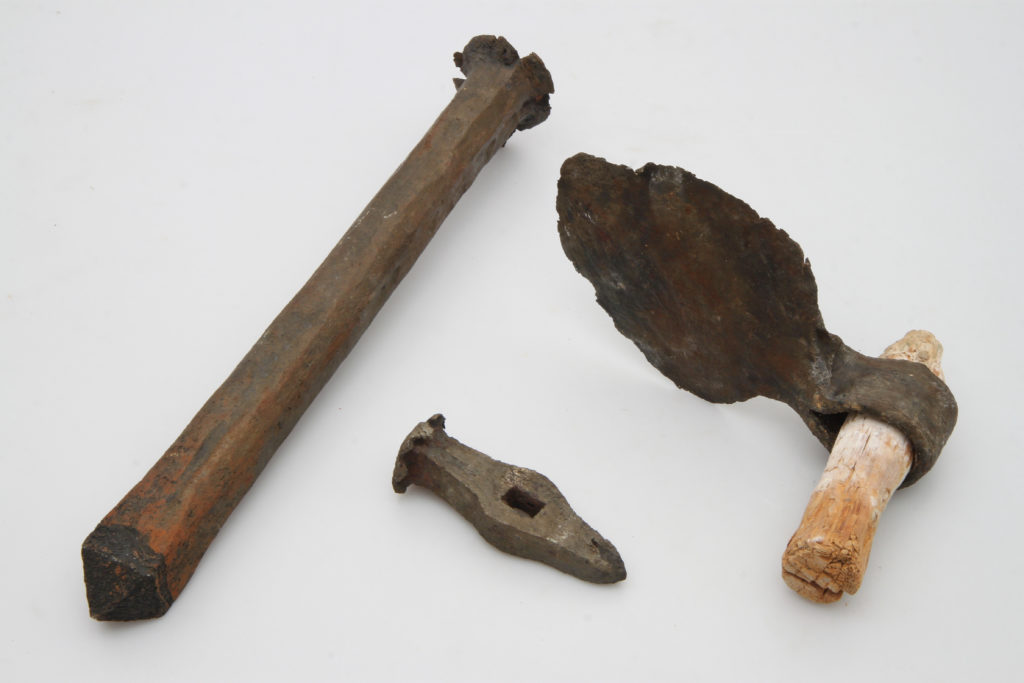
. Tools used to dig the castle well, 16th century