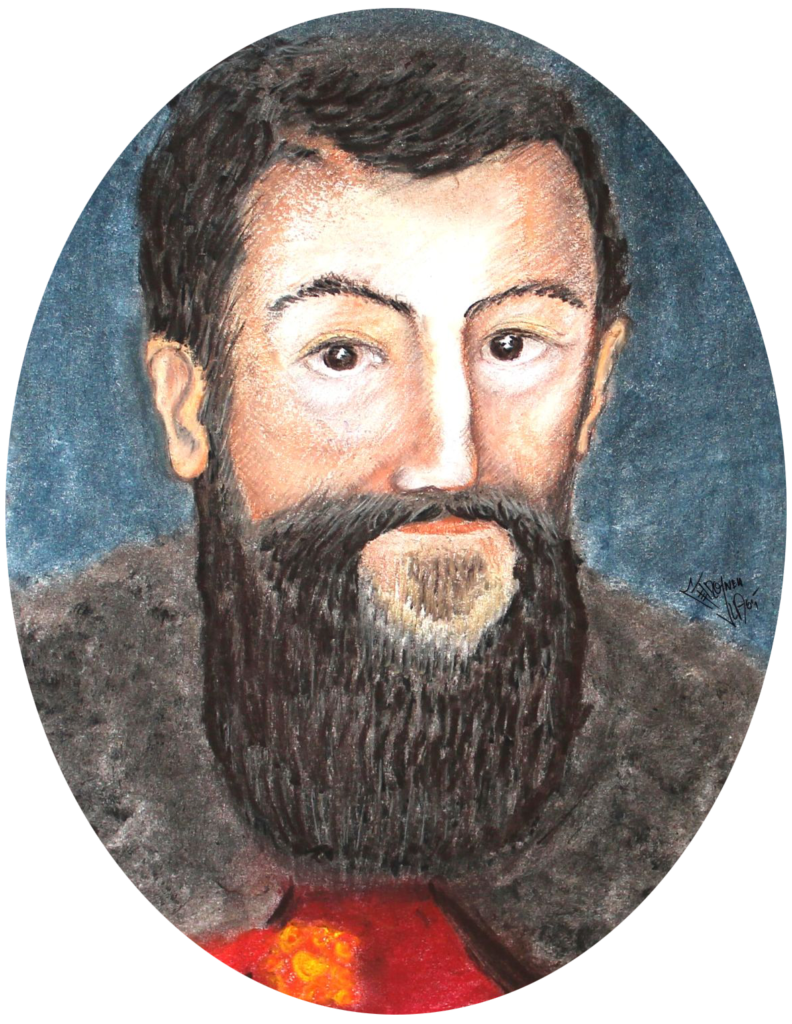
Paul I Esterházy came from one of the oldest Hungarian families, and one of the most influential in the 17th century. On the death of his two elder brothers, he took his place at the head of the family. Unlike Ferenc Wesselényi, Paul remained loyal to the Habsburgs. Thus after Wesselényi’s plot was uncovered, he took over the property of the conspirators. He also fought on the side of the ruler against Tököli and Rákóczy’s uprising. He even issued a decree at the diet of Bratislava on the eternal kingdom of the Habsburgs in Hungary and on the invalidity of the Golden Bull of Andrew II of 1222, which gave the Hungarian nobility the right to resist the ruler if the latter did not respect the institutions of the bull. His support for the Habsburgs brought him great favours. In 1681, he obtained the post of palatine, and thus became the most important person in Hungary immediately after the king. In 1867, he was even promoted to the rank of Prince. Paul took an intense interest in art. His passion was music. He played the harpsichord and composed music. His personal life was also a success. Together with his two wives (Ursula Esterházy and Eva Thököly), he fathered twenty-six children. However, his relations with his wives were not that idyllic, since there were mutual accusations, for example of adultery and attempted poisoning.